

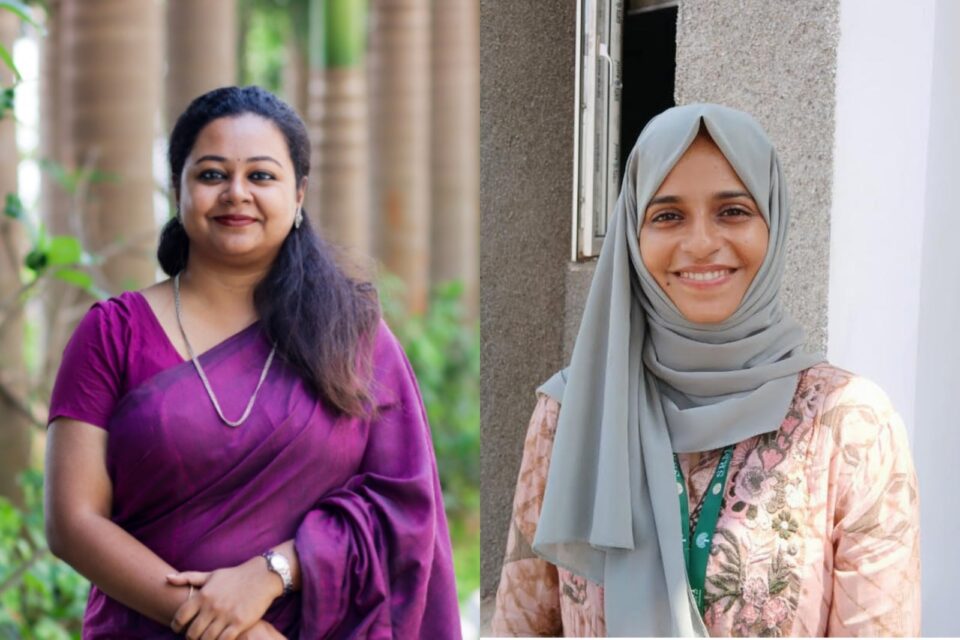
- Sandra Roshni Monteiro, Assistant Professor, Department of Psychology, SRM University AP
- Murshida, PhD Research Scholar, Department of Psychology, SRM University AP
Observed globally on October 18, World Menopause Day aims to enhance public awareness surrounding menopause and to address the health needs of women navigating midlife. Centered on “Chronic Pain at Midlife,” the 2026 theme draws attention to a dimension of wellness that remains insufficiently acknowledged across clinical settings and broader public conversations. Within India, the Indian Menopause Society has consistently advocated for women’s midlife health through clinical guidance, professional education, and public outreach.
While menopause is commonly described as the end of menstrual cycles, its scope extends far beyond a biological milestone. This transition typically unfolds over several years—a period known as perimenopause. According to the World Health Organization (WHO), natural menopause generally occurs between 45 and 55 years of age, affecting physical, mental, emotional, and social well-being. Research indicates that the average age for natural menopause in India is approximately 46.6 years, with variations across regions (Ahuja et al., 2021).
The Physical and Psychological Dynamics
Throughout this transition, women often face a broad spectrum of physical and cognitive symptoms, including hot flushes, night sweats, fatigue, sleep disturbances, headaches, mood fluctuations, anxiety, urogenital changes, joint pain, and brain fog, as well as heightened long-term risks regarding cardiovascular health and bone density.
Musculoskeletal symptoms are notably prevalent. A meta-analysis indicated that roughly 71% of perimenopausal women report musculoskeletal pain (Lu et al., 2020). Despite its prevalence, joint pain is frequently misattributed to general aging, leaving many women without timely medical support or care.
The transition to menopause is critical for mental health, too. Research from a 2024 meta-analysis (Badawy et al., 2024) encompassing over 16,000 individuals across 17 prospective studies indicates that women in perimenopause face a 40% increased risk of experiencing depressive symptoms or receiving a depression diagnosis compared to those who are premenopausal. Furthermore, an extensive synthesis covering 102 studies and more than one million participants reveals elevated rates of depression, insomnia, and anxiety (Balasubramanian et al., 2026). These findings demonstrate psychological challenges during menopause. An accomplished professional who could balance multiple demands might find her focus compromised following successive nights of fragmented sleep, chronic pain, or intense hot flushes. Even when the physical symptom is short-lived, its cognitive impact can undermine self-assurance and personal identity.
Socio-Cultural Contexts: Gender Stigma, Ageism and Inequality
Midlife women are continually challenged by societal norms governing physical appearance, behavior, and capabilities, while cultural attitudes toward aging, body perception, fertility, femininity, and sexuality significantly influence how they experience menopausal symptoms and seek care. These prevailing standards determine whether symptoms receive legitimate medical attention or are written off as issues women should quietly tolerate. This underscored social stigma, limited access to reliable information, and expectations to endure discomfort silently form major barriers to transparent dialogue and effective medical support. Beyond individual viewpoints, broader socioeconomic factors including income, education, location, and healthcare availability critically influence access to proper treatment. For a salaried professional, managing symptoms often involves the flexibility to adjust schedules and seek medical care. Conversely, informal workerssuch as street vendors, domestic helpers, or agricultural laborersfrequently operate without financial safety nets or control over their hours. For them, taking time off to see a doctor means forfeiting essential daily wages, turning routine medical consultation into a major burden even when symptoms gravely impact their day-to-day lives. Consequently, identical menopausal symptoms can lead to vastly disparate outcomes based on an individual’s socio-economic and employment environment. Understanding these contrasting realities is vital for delivering accessible, responsive menopause healthcare tailored to women’s diverse circumstances.
Work and Economic Participation
An estimated 9 to 11.6 million women aged 40 and above participate in India’s labor force (Meeta et al., 2026). Navigating the menopausal transition presents substantial hurdles to career growth and overall well-being at work, largely driven by systemic barriers such as work-life imbalance, gender- and age-related bias, and obstacles to re-entering the labor market. A comprehensive 2025 review of 29 studies highlights how menopausal symptoms—specifically sleep disruption, psychological distress, and vasomotor reactions—frequently lead to diminished workplace productivity (Clevis et al., 2025). Crucially, menopause itself does not compromise an individual’s capabilities or workplace potential. Rather, it is inflexible work structures and a lack of job autonomy that intensify symptom severity, creating unnecessary hurdles for employees navigating this transition.
The International Labour Organization (ILO) recognized menopause in June 2026 as a critical gender-equality and workplace issue impacting approximately 657 million working women worldwide. When left unmanaged, symptoms often result in absenteeism, presenteeism, and premature retirement, which drains organizational expertise and deepens gender gaps in earnings and pensions. Organizations that neglect menopausal health face serious consequences, including escalation of healthcare expenses, diminished morale across teams, heightened costs associated with recruiting and training replacements for senior leaders, and a breakdown in leadership diversity.
What constitutes a supportive ecosystem?
Driving meaningful progress requires a holistic, multi-level framework. Access to accurate information and evidence-based clinical care empowers women to recognize symptoms and make informed choices regarding their health. On a personal level, promoting open dialogue within families helps destigmatize menopausal experiences. Institutionally, medical professionals need comprehensive training covering both psychological and physical aspects of menopause, and workplaces should provide flexible, tailored support for staff experiencing significant symptoms. In addition, public health strategies must focus on menopausal care, particularly for marginalized populations with restricted access to medical resources and information.
World Menopause Day plays a key role in advancing this conversation, emphasizing menopause into central discussions on health, labor policy, and gender equality. The objective is to avoid pathologizing a natural life stage without letting its normalcy mask the need for clinical attention. Empowered by greater awareness, equitable healthcare, and supportive systems, women can navigate midlife while maintaining their well-being, dignity, and full societal participation.
