

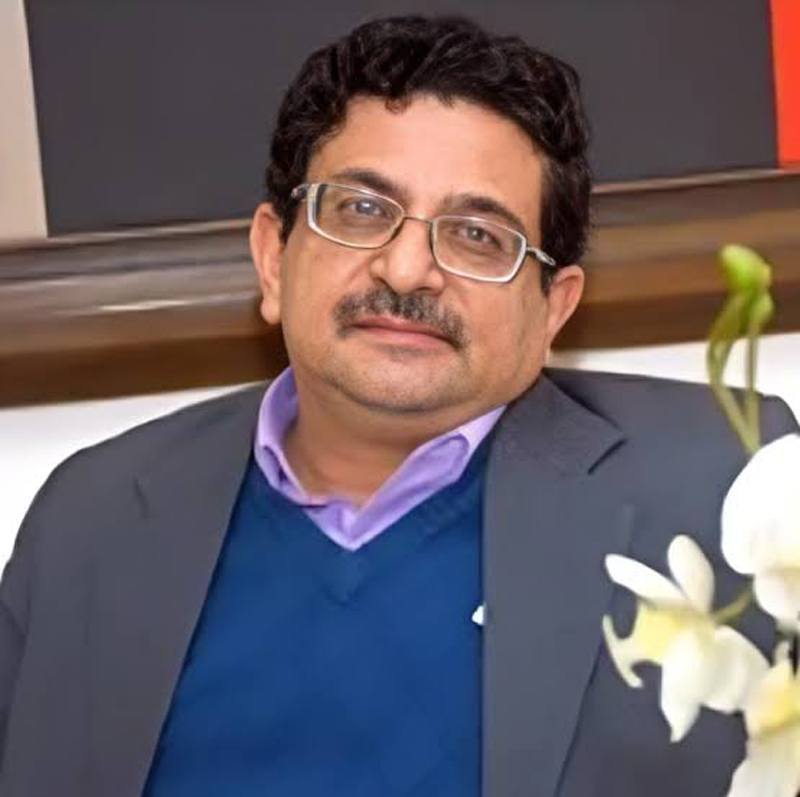
By Nikhil Mahajan, Director at Kestone Utsav
India’s wedding sector is entering a more refined and experiential phase. The modern celebration is no longer just a social gathering; it is a complete hospitality experience crafted with design thinking, technology, and personalization. Wedding planners are leading this change, bridging the gap between couples’ expectations and hotels’ operational capabilities.
Evolving Wedding Budgets and Expectations
Wedding budgets this year are generally higher, reflecting a growing focus on tailored experiences, curated details, and destination arrangements. The average wedding budget in India ranges from ₹50 lakh to ₹2 crore depending on the scale and destination, marking an increase of about 10–15% compared to last year.
Couples are investing more in sensory-rich experiences, luxury stays, and curated elements that make the celebrations memorable for both themselves and their guests. From multi-day itineraries to personalized gifting, every detail is designed to create a cohesive experience rather than a series of standalone events. This demand for depth and customization is directly influencing how hospitality brands design, package, and deliver their wedding services.
The Rise of Destination Weddings
Destination weddings continue to define India’s luxury hospitality market. Internationally, couples are choosing private islands in Thailand, lush estates in Bali, the Amalfi Coast, and villas in Tuscany that combine exclusivity with scenic beauty.
Within India, Udaipur’s lakeside palaces remain in high demand for their royal setting, while the forts of Jaipur and Jodhpur, the beaches of Goa, the coffee estates of Coorg, and the backwaters of Kerala offer a mix of culture and comfort. Hill stations such as Mussoorie and Shimla are emerging as preferred choices for couples seeking cooler climates and intimate atmospheres.
Budgets for destination weddings typically start from ₹50 lakh and can go beyond ₹1.5 crore. The rise reflects more elaborate planning, luxury hospitality, and interactive guest experiences that merge travel, culture, and celebration.
Hotels are responding by upgrading event spaces, improving vendor coordination, and offering in-house planners to deliver complete experiences. The partnership between wedding planners and hospitality brands is driving higher occupancy rates, off-season demand, and stronger destination branding.
Technology Becomes the New Planner’s Toolkit
Technology has become central to modern wedding planning. Planners are using Virtual Venue Tours, Event Space Visualization, and 3D Floor Plan Tools to help couples preview spaces before visiting. Some luxury hotels now offer Digital Twins for Events, allowing clients to visualize layouts, lighting, and decor with real-time adjustments.
AI is increasingly part of this process. AI-Powered Event Planning, Predictive Analytics, and Smart Customer Insights allow planners to forecast guest preferences, plan menus, and optimize flow during ceremonies. Automation in Event Management and RFP Automation Tools help hotels manage vendor coordination and approvals with greater efficiency.
For guests, technology enhances participation. AR Food Menu Displays, Virtual Avatars for Venues, and Conversational AI Interfaces improve navigation and information access. Some properties are testing Real-Time Engagement Tracking and Behavioral Analytics to understand how guests interact with spaces, improving future event design.
Personalized Experiences and Smaller Guest Lists
Couples are leaning toward smaller, more intimate weddings that focus on meaningful interactions rather than large crowds. Even when the event scale is grand, guest lists are carefully curated to allow time and space for personal connection.
This change is influencing how hotels design service experiences. Planners are asking for flexible seating layouts, private lounges, and curated guest itineraries. Interactive culinary counters, live mixology sessions, and food tasting corners are increasingly part of the itinerary. AI in Hospitality helps manage these interactions by predicting demand and scheduling service staff more efficiently.
Fashion and decor are also moving toward individuality. Brides and grooms are combining handwoven textiles, pastel shades, and custom embroidery. Themes now reflect personal stories, travel experiences, or shared passions. Couples are experimenting with elements like Immersive Event Planning using projection mapping and light shows, or entertainment concepts such as live art performances, pop-up bars, and silent discos.
Hospitality Industry Response
For India’s hospitality industry, weddings have become a year-round business driver. Luxury chains like Taj, Leela, ITC, and Oberoi are building dedicated wedding teams and developing Interactive Event Layout Designers to help planners visualize space options. Mid-range properties are offering bundled packages with in-house decor, catering, and planning support to appeal to smaller destination events.
Technology adoption has helped streamline operations. AI-Driven Lead Generation tools match venues with planners based on event requirements and location. Virtual Assistant Integration improves coordination, while Event Data Intelligence allows hotels to analyze performance metrics such as guest satisfaction, budget optimization, and post-event engagement.
Sustainability is also becoming integral. Hotels and planners are introducing Sustainable Event Solutions that track food waste, minimize plastic use, and reduce energy consumption. Eco-conscious couples are increasingly requesting digital invites, locally sourced flowers, and reusable decor materials.
The Future of Seamless Celebrations
India’s wedding and hospitality sectors are growing closer than ever. Wedding planners are no longer external vendors; they are strategic partners helping hotels deliver complete, tech-enabled, and emotionally rich experiences.
As celebrations move toward personalization, precision, and sustainability, hospitality brands that adapt to this new expectation are likely to see continued growth. Whether the event unfolds beside a lake in Udaipur, on a beach in Bali, or within the courtyards of a Tuscan villa, today’s weddings share one thing in common, they are designed to feel effortless.
The rise of seamless celebrations marks a new chapter for Indian hospitality, one where service, technology, and sentiment come together to create experiences that last well beyond the final ceremony.
